
Educating college students on the benefits and risks of caffeine consumption.
Whether waking up for an 8 a.m. class, heading to practice after a long day of work or cramming in a late-night study sesh, many college students reach for one thing: caffeine.
This magical stimulant can feel like the only thing getting them through the day.
A typical student may brew coffee in the morning, crack open an energy drink after class and scoop pre-workout before hitting the gym.
Yet as the day goes on, they remain chronically fatigued.
Far too many college students are unaware of the long-term health effects of caffeine dependence and tend to underestimate their personal consumption.
Following the example above, a single day would result in roughly 500 milligrams of caffeine—100 mg above the recommended daily limit.
Though legal and socially acceptable, caffeine is a drug, and overconsumption has become increasingly normalized.
According to a social media poll created by MBU Timeline, roughly 36% of individuals reported their intake to be 400 mg or above.
This suggests that over one-third of Missouri Baptist University students may be consuming at or above the FDA guideline.

However, 73% of the same individuals estimated the recommended daily limit to be below 400 mg.
This raises an important question: Are students knowingly abusing caffeine, or are they wholly unaware of the associated health risks?
Regardless, it is essential to educate the student body on what they are putting into their bodies.
The National Library of Medicine describes caffeine as “a naturally occurring central nervous system “stimulant” commonly derived from coffee beans but additionally found in tea, soda, energy drinks and more.
The FDA recognizes the benefits of caffeine usage, including mental alertness and treatment for apnea of prematurity in infants—a condition that causes suboptimal respiratory levels.
Research has also found caffeine to be useful in treating migraines, improving athletic performance and promoting regular bowel movements.
However, various adverse effects remain depending on dosage and individual sensitivity.
More commonly, caffeine can worsen anxiety, increase heart rate, prevent restful sleep and increase risk dehydration.
It may also suppress appetite by altering hormonal levels such as ghrelin and leptin.
Students must be mindful of their medical history to avoid negative interactions with the drug.
Caffeine is broken down by the same CYP1A enzyme as certain psychiatric drugs, so combined use can alter medication efficiency and worsen symptoms.
Caffeine is not inherently dangerous, but it must be consumed mindfully and in moderation.
Before reaching for a third cup of coffee, adding an extra shot of espresso to your latte or cracking open a Red Bull, consider your prior intake and take a moment to locate the caffeine content.
This information is typically found in small print near the nutrition label on cans and bottles or published on company websites.
Caffeine Content Guide (Per 12 Fluid Ounces)
Green tea: 37 mg
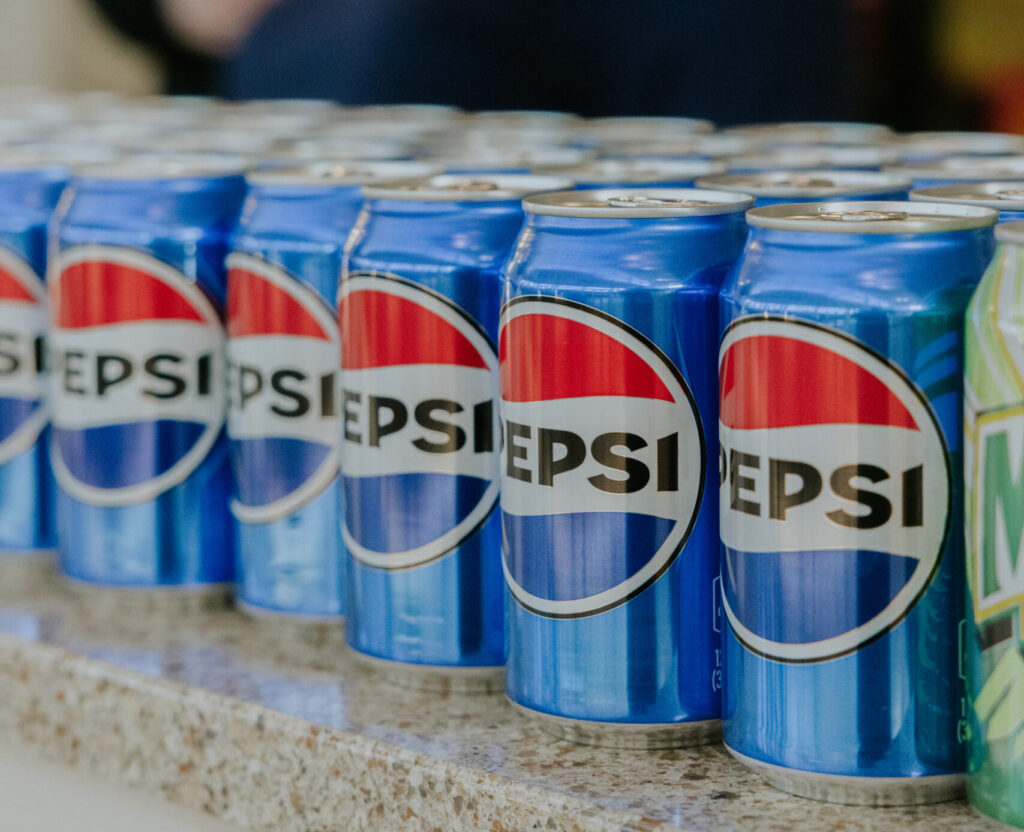
Soft drinks: 23-83 mg
Black tea: 71 mg
Red Bull: 114 mg
Average Iced Latte: 125 mg
Cup of coffee: 113-247 mg
Celsius/Alani: 200 mg