
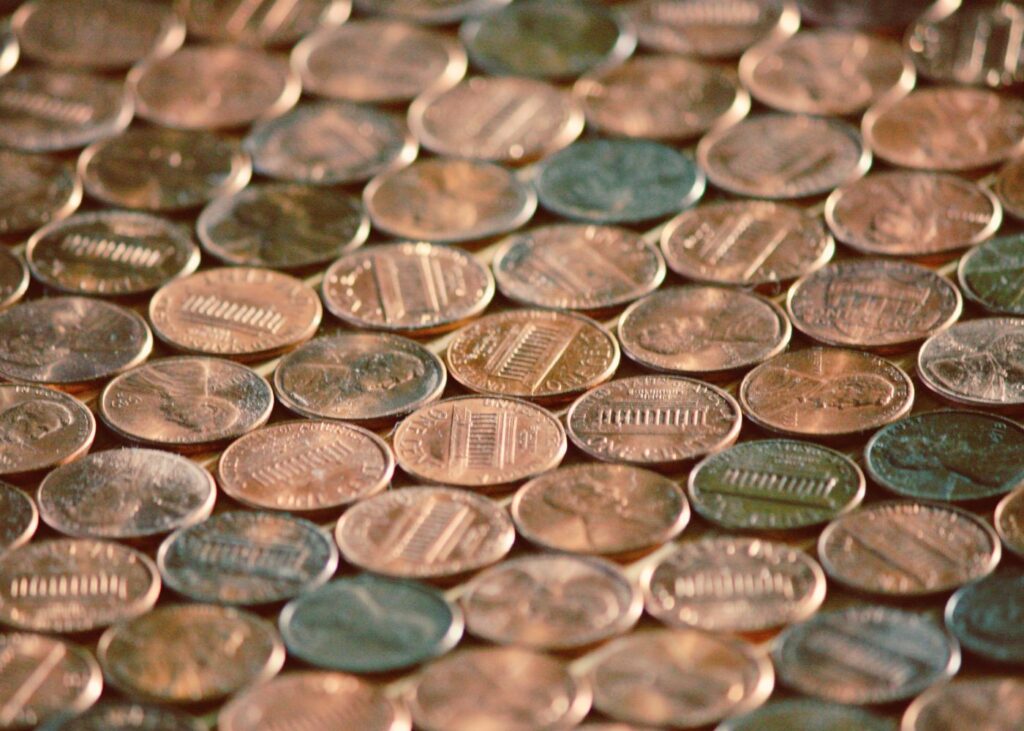

Pennies are no longer being minted by the U.S. Treasury, causing feelings of nostalgia and raising questions about other coins and a potentially cashless future. This article explores why I believe this is dangerous for some people but not worrisome for most Americans.
As of 2025, the U.S. penny has been rendered obsolete and decommissioned after President Donald Trump ordered the U.S. Treasury Department to stop minting the coins.
After 230 years, the reality that pennies cost 3.69 cents per 1-cent coin to produce was sound enough logic for ceasing penny production, according to USA Today writer Mike Snider.
The last batch was minted in November 2025 in Philadelphia, according to Connor Greene, an editorial fellow for Time.
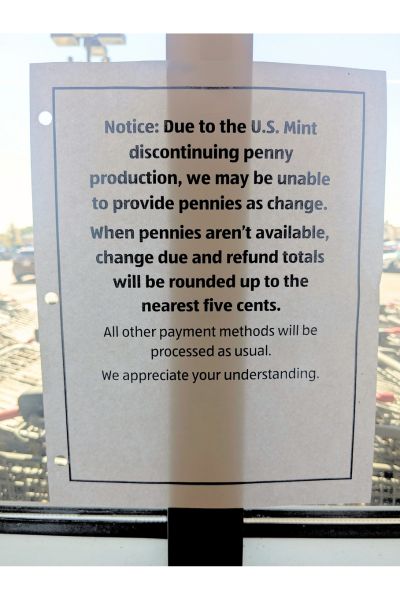
Greene tells us that this is becoming costly for retailers.
“Many retailers around the country have reported that they’re often being forced to round down when customers pay with cash, costing them just a matter of cents on each transaction but a much more significant amount as the deficits add up,” said Greene.
So, what will happen with the future of pennies? Will future generations of Americans even know what a penny was?
How will this affect people who regularly pay with cash and even those who do not?
Interestingly, Canada stopped producing the penny in 2012, according to the same Time article.
While the discontinuation of pennies in Canada initially seemed like a curveball, the Colonial Acres blog tells us, “Most people have forgotten that the Canadian penny ever existed.”
Pennies have now become a collectible for Canadians, especially those from 1900, 1920 and 2012.
In America, the U.S. Mint predicts they will be saving $56 million a year because of the discontinuation of penny production (Time).
Overall, most consumers – even regular cash payers – won’t be drastically affected by this. In fact, only 12%-16% of consumers claim that cash is their preferred or primary payment method for day-to-day transactions, according to Federal Reserve data.
The Nickel could be Next
With businesses rounding to the nearest nickel, I believe the focus may shift to the silver-colored coin.
Wyatte Grantham-Philips, a business reporter for The Associated Press, wrote about the nickel’s production cost in an NBC Philadelphia article.
Grantham-Philips explained that while a single nickel is worth 5 cents, it costs almost 14 cents to produce.
This begs the question: Is the nickel next up on the list of coins to stop minting?
What will happen to the future of cash and coins? What if they merely become pages in history?
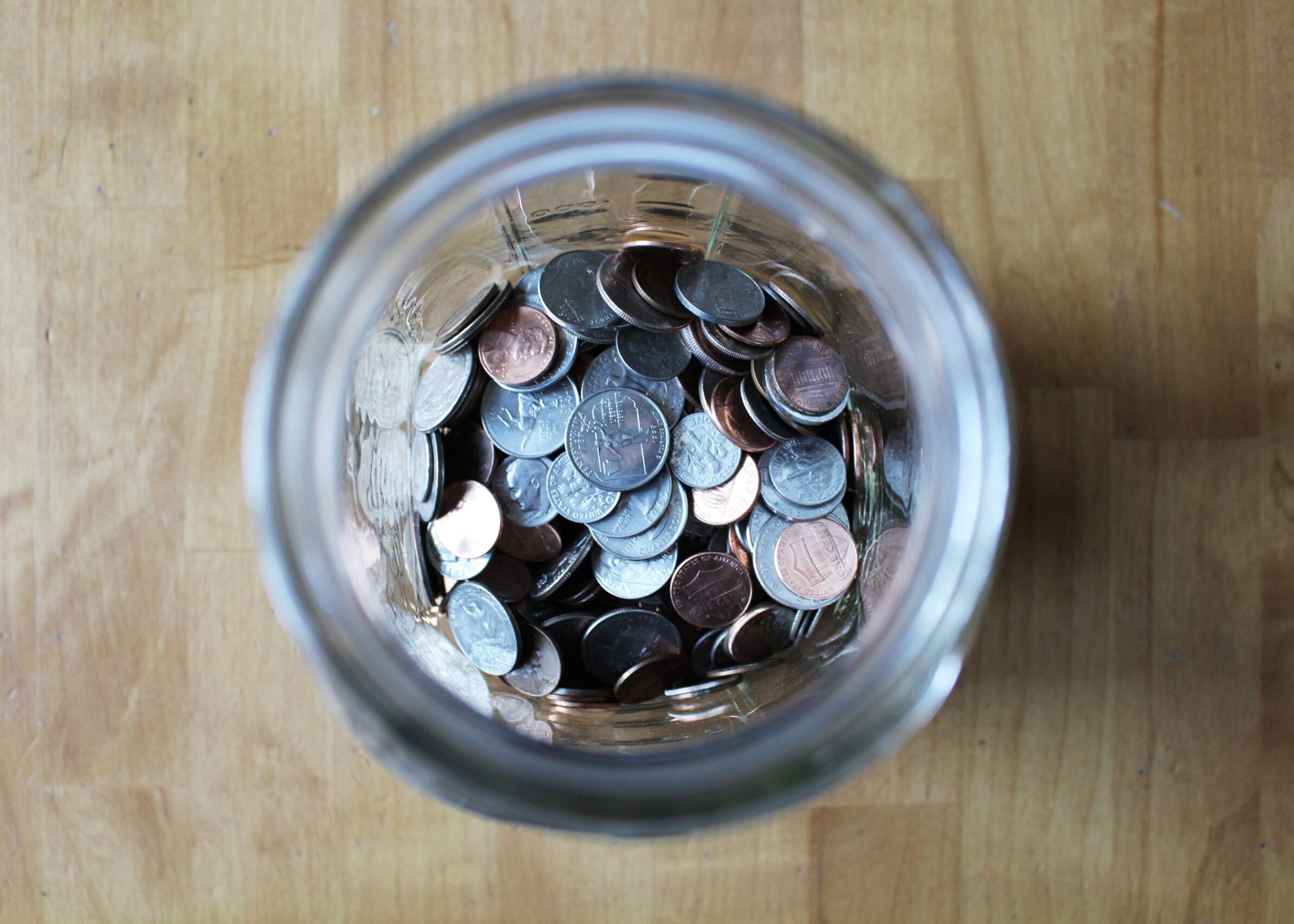
While these are not necessarily life-altering questions, many who grew up with the penny may feel nostalgic as they realize that times are changing.
It seems that more and more places are becoming cashless, either preferring or requiring credit cards, debit cards or electronic payment methods.
Many people today, especially younger generations, regularly use cards and electronic payment methods.
While this is the case, according to a JP Morgan article, a cashless society might not be the best idea for everyone.
Lydia Prieg, head of economics at the New Economics Foundation, identifies several demographics who may suffer from a cashless society:
-
- The population of elderly people averse to modern technology.
- People who choose not to use traditional financial services or can not because they lack a fixed address.
- Residents of rural communities with poor internet access.
The report tells us that “the institutions entrusted to guard this data are vulnerable to being hacked. Plus, cash isn’t vulnerable to mass IT failures, which in theory can take down digital payment systems.”
Even with these downsides, a cashless society still seems likely for the future of America.
My Opinion
Clearly, the penny is a small enough amount that its discontinuation does not drastically affect the average person.
However, the danger lies in the future of other coins and cash in general.
With some of the population relying on cash, we should fight to keep traditional transactions available, while also accepting the modernization of purchasing goods — namely through credit and debit cards and payment apps.
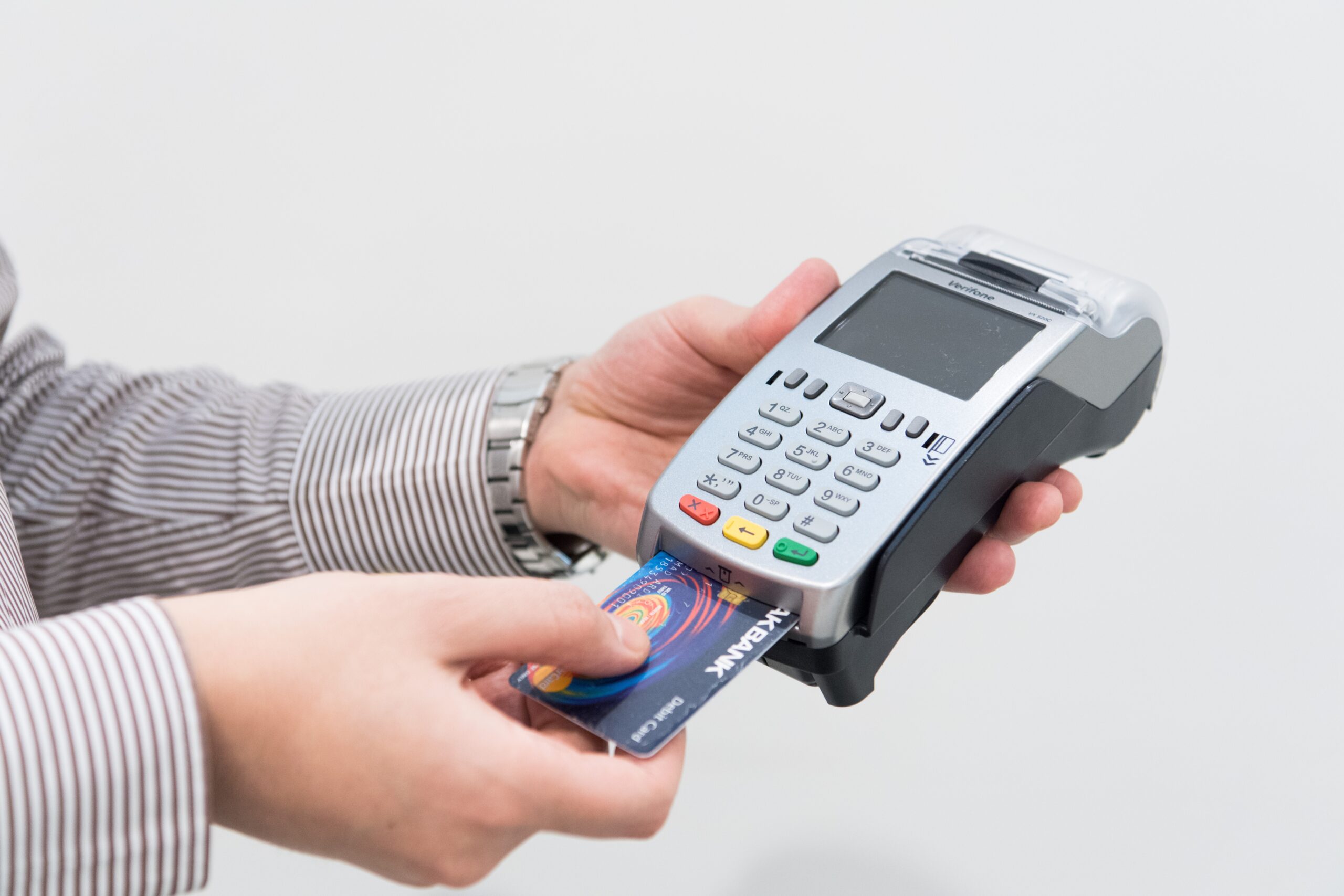
I do not think this is a cause for most people to worry about; however, we must look out for those who currently rely on physical cash and may feel confused or incapable of using cashless payment methods.
For instance, educating loved ones and neighbors on how to use cashless payment methods could help ease the transition if America continues to move towards a cashless society.
As our society changes, we must look out for those struggling with these changes.
Are you ready for a cashless society?
It may be coming, whether we like it or not.
Sources:
blog.colonialacres.com/values-changed-removing-canadian-penny/
https://time.com/7333864/penny-production-circulation-businesses-change-cost/
https://www.jpmorgan.com/payments/payments-unbound/magazine/articles/cashless-society-two-sides
https://www.usatoday.com/story/money/2025/11/12/penny-discontinued-shortages-us-mint/87214531007/