


BACKGROUND
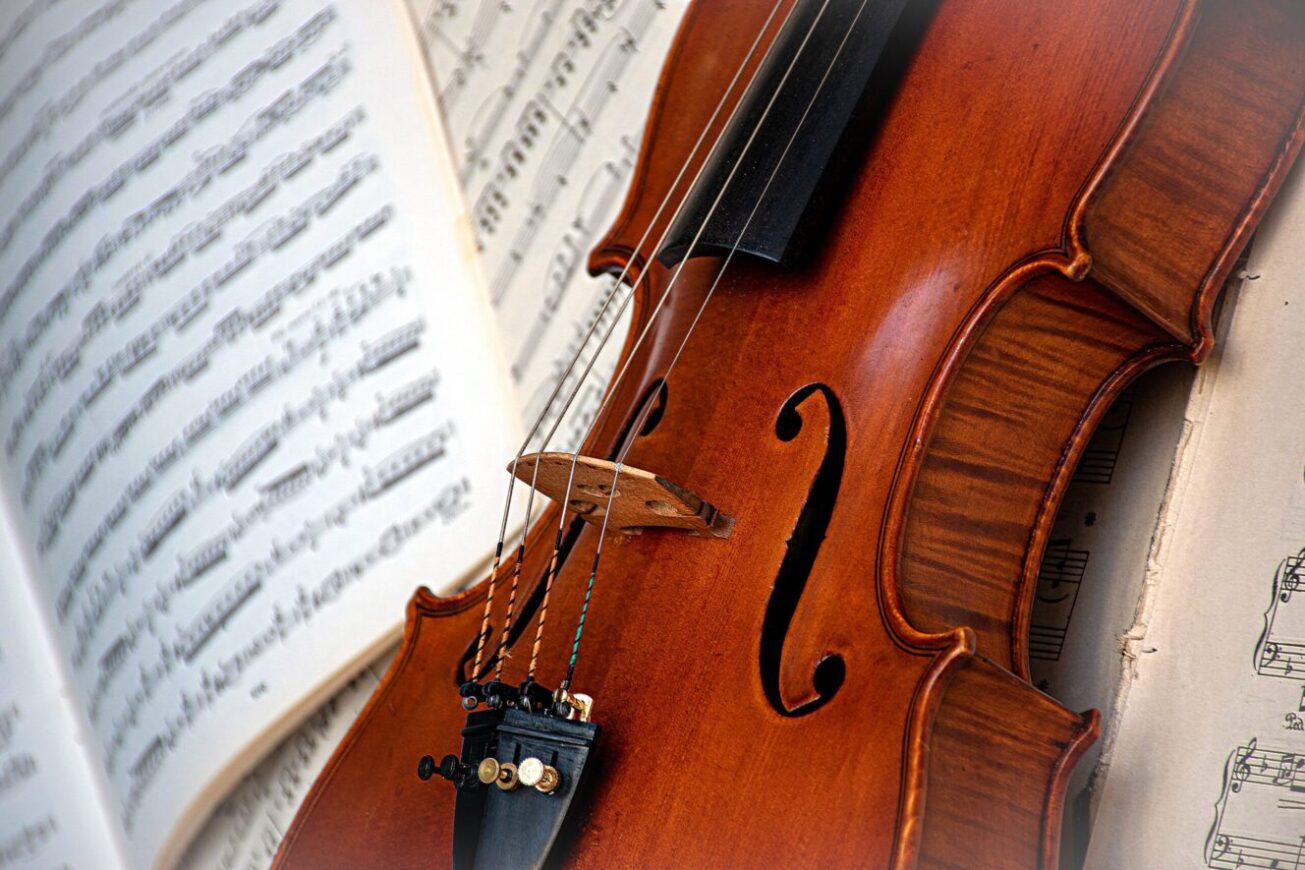
Over 300 years ago, composer and violinist Antonio Vivaldi published his most famous musical composition, “The Four Seasons.”
Known colloquially as “Vivaldi’s Four Seasons,” this musical masterpiece can be appreciated as much today as it was in 1725, when it was published as part of a larger collection.
Historians believe Vivaldi had strong ties to Amsterdam, publishing his music there and visiting the city briefly in 1738, but he never actually lived there.
The Violin Channel tells us that Vivaldi’s famous ensemble “is immediately engaging, emotionally expressive, structurally accessible, and rich enough to reward deeper exploration.”
“The Four Seasons” is one of the first and most successful program music compositions within Western classical music.
 According to editors for Britannica, program music is defined as “instrumental music that carries some extramusical meaning, some ‘program’ of literary idea, legend, scenic description, or personal drama. It is contrasted with so-called absolute, or abstract, music, in which artistic interest is supposedly confined to abstract constructions in sound.”
Program music was controversial at the time because it went against the norm: music that was merely abstract and artistic, not tied to visible realities.
“The Four Seasons” defied the cultural norm by representing real imagery and sensations for each of the earth’s seasons.
The musical seasons were four of 12 in a series of musical concerti by Vivaldi.
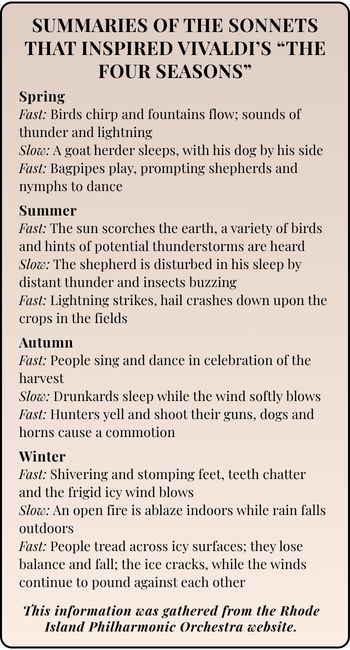
Each season is structured in a fast-slow-fast format.
According to the Rhode Island Philharmonic Orchestra and Music School, “The Four Seasons” is based off of sonnets most likely written by Vivaldi.
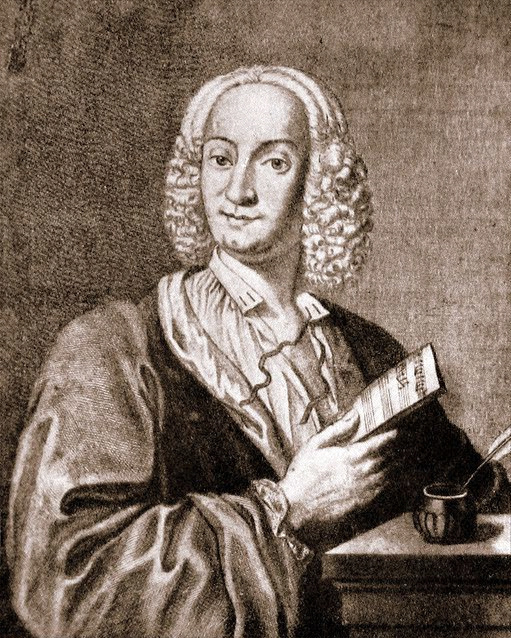
Antonio Vivaldi
Vivaldi, who lived from 1678-1741, was an Italian Baroque composer and musician who played the violin.
During his lifetime, he composed more than 500 concerti– musical compositions primarily performed by a single instrument and often accompanied by an orchestra.
While Vivaldi mostly created music in Venice, his work was known throughout Europe during his lifetime (The Violin Channel).
CRITICAL REVIEW
Winter
Vivaldi's "Winter" YouTube video
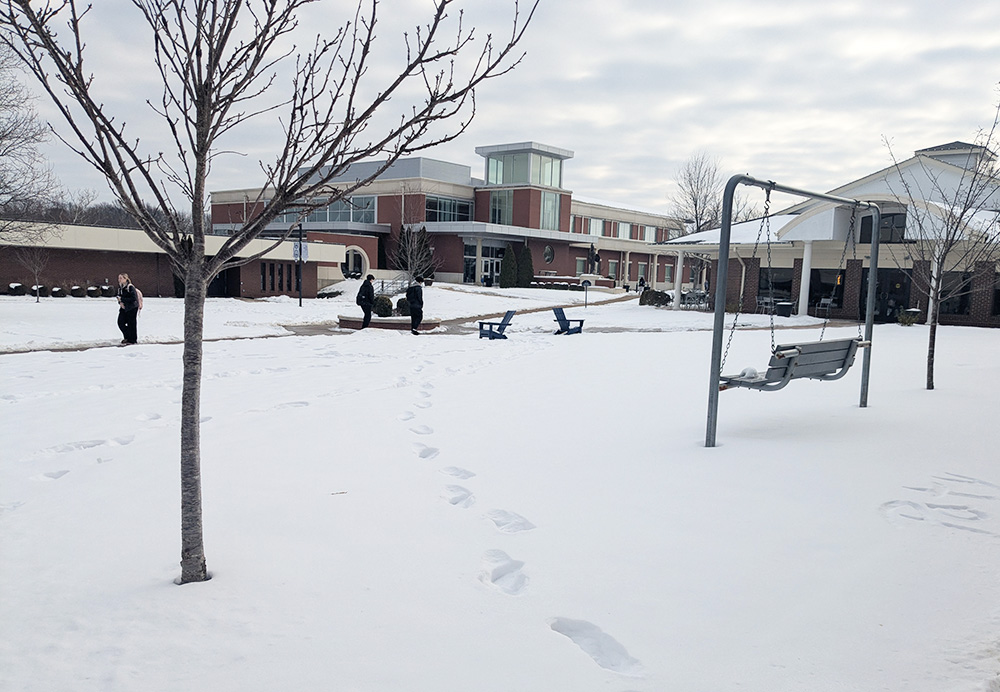
“Winter” begins much like the season itself: strong and dramatic.
Just as you open the door on a blustery winter day and cold air immediately awakens your senses, Vivaldi’s “Winter” starts with an effect that makes you feel slightly unsettled but also intrigued.
While the violin music seems somewhat harsh, it is intense in a beautiful and captivating way.
Every second of Vivaldi’s “Winter” is interesting. There are no boring lulls—it is dynamic and captivating.
While the piece is intense and dramatic, it’s not so intense that it becomes unsettling or unenjoyable.
A few minutes in, the music slows and softens, becoming a lovely song one might hear at a wedding or listen to while studying.
Then, the pace quickens once again.
Spring
Vivaldi's "Spring" YouTube Video
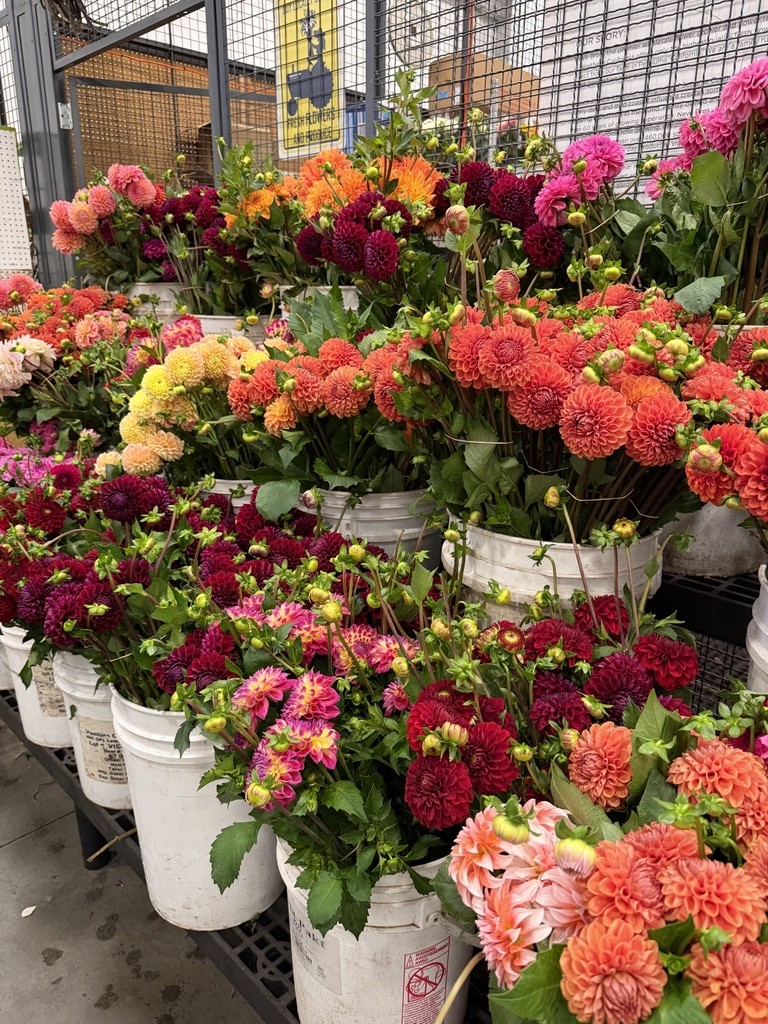
Elegance and drama collide in Vivaldi’s “Spring,” which is whimsical, vibrant and beautiful.
Picture the sights and sounds of the season itself.
As its sonnet describes, the music is reminiscent of chirping birds and stormy rumbles.
Like the others, this season shows the high level of violin skill the main player must have to properly perform “The Four Seasons.“
Summer
Vivaldi's "Summer" YouTube Video

“Summer” is slow and somber compared to the others.
The sonnet describes the sun scorching the earth and slumber falling upon those working.
In the summer season, animals move slower and stop frequently for shade. People lie in the sun and often take breaks to avoid overheating.
For many, summer is a season of rest from schoolwork and the busyness of life; Vivaldi’s musical piece effortlessly captures this experience.
Autumn
Vivaldi's "Autumn" YouTube Video
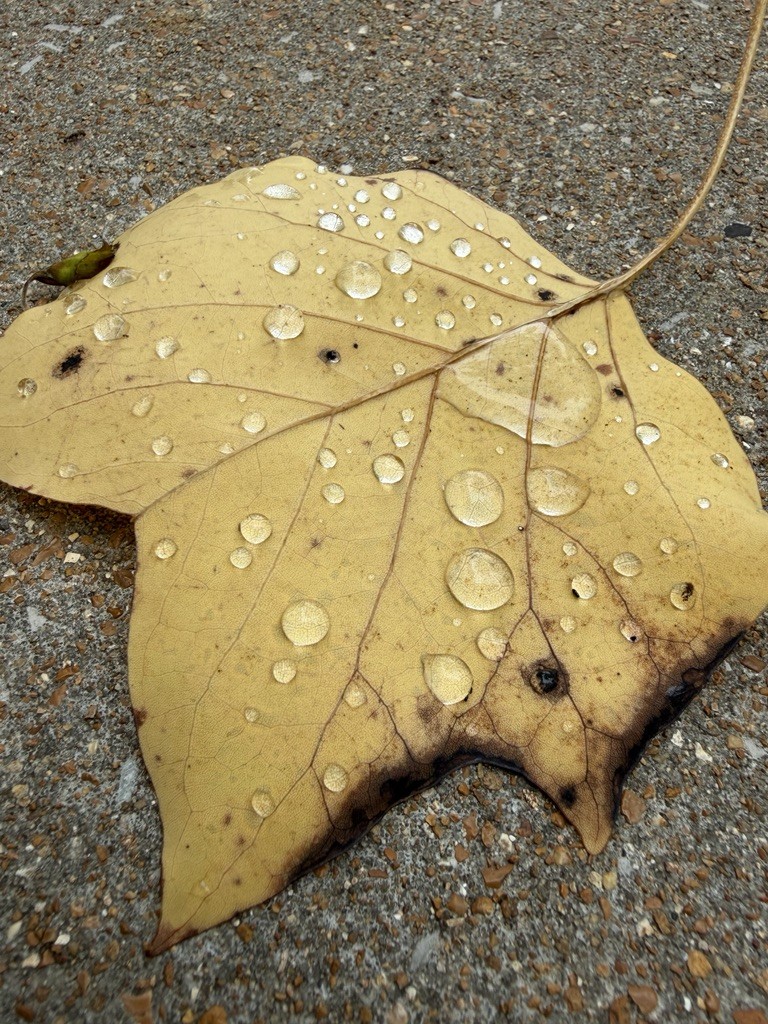
“Autumn” is festive and elegant, like a beautiful celebration.
Like the others, it feels dramatic, and like the season itself, Vivaldi’s “Autumn” is full of beauty-filled changes.
“Autumn” captivates listeners, giving them an experience of celebration and bliss.
My Personal Favorite
Each of the seasons that Vivaldi captures in his musical composition are beautiful.
However, I would say my favorite is winter; the drama, musical complexity and fast nature of winter are captivating, entertaining and engaging.
OVERALL REVIEW
While each of Vivaldi’s seasons are different, they all share a similar feeling, making them unique yet coherent musical compositions.
Vivaldi’s seasons have a tune and rhythm that demonstrate the actual experiences felt and heard in the seasons themselves.
Just as each season has a variety of changes, surprises and unique features, each of Vivaldi’s seasons emulate these elements.
A timeless and world-renowned musical composition, this masterpiece can be appreciated by a diverse range of people.
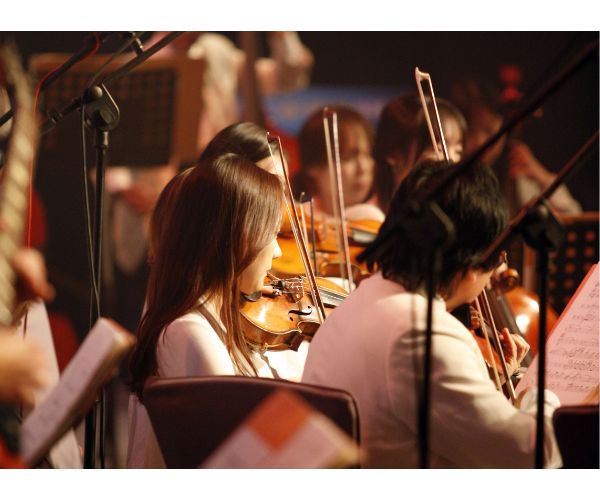
Classical music never goes out of style. It speaks without words, communicates emotion and beauty, and inspires listeners to appreciate music and art even more.
Its beauty and elegance outlast time.
Plus, the violin skill required to play “The Four Seasons” is unbelievable and worthy of recognition.
As someone who has played the violin for several years, “The Four Seasons” always inspired me to pursue excellence in my playing.
Not only does this ensemble inspire me as a violinist, but it also inspires and reminds me to slow down and enjoy every season I am in.
Unlike anything else, Vivaldi’s “The Four Seasons” can touch anyone, as they appreciate its history, meaningfulness and pure beauty.