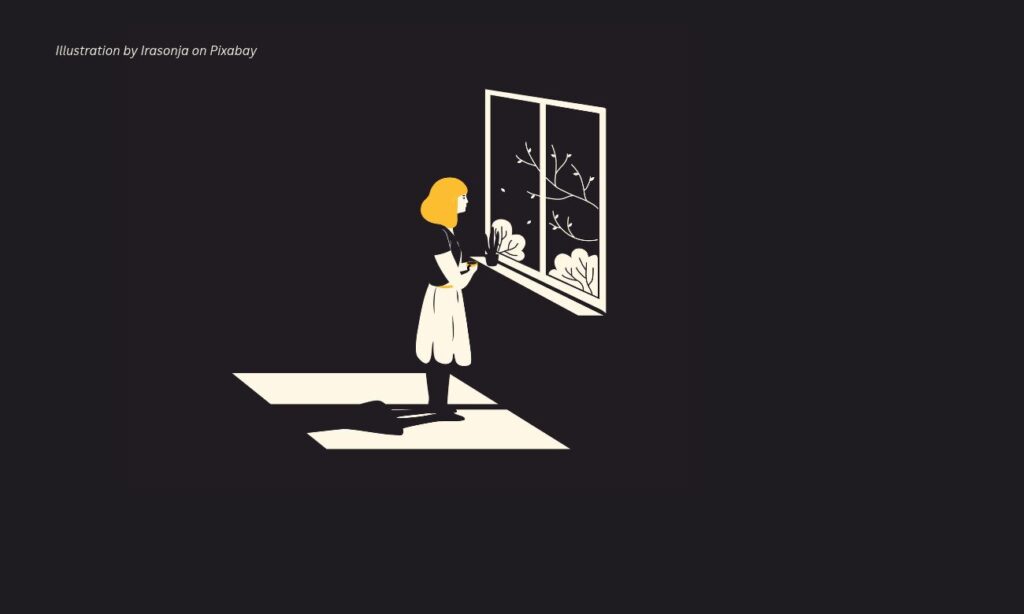

The winter blues– they’re something that you’ve likely experienced at one time or another
Despite the name, “winter blues” are not strictly limited to the winter season. The term can be used to describe feeling less energetic as it gets darker earlier and for longer durations each day.
After daylight savings hits each fall, it seems there are less opportunities to get out in the sunshine, which can have noticeable effects on mental health and hormones.
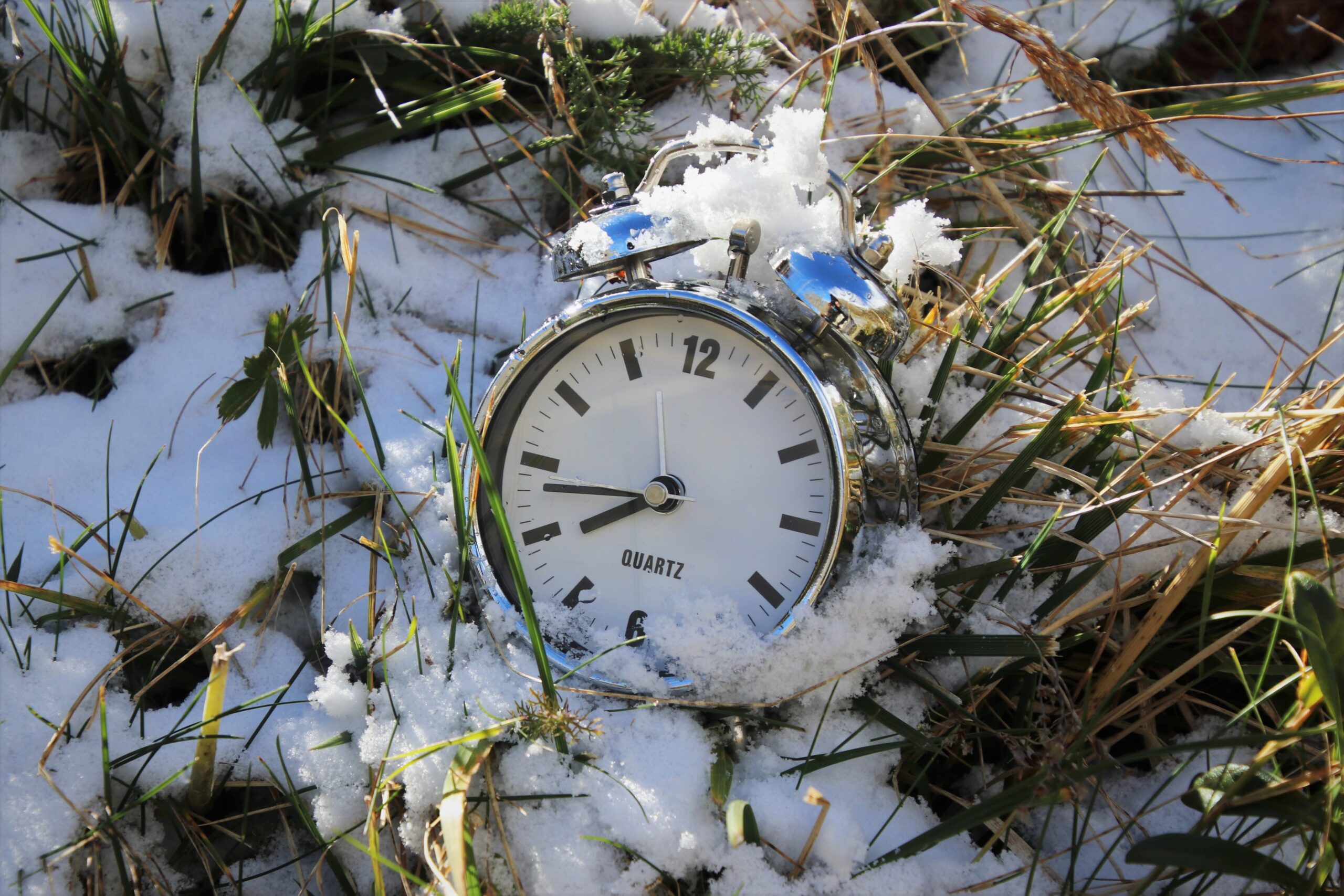
According to the American Psychiatric Association, 41% of Americans say their mood worsens in the winter.
In addition, 41% of those surveyed report sleeping more in the winter, while 28% report feeling fatigued and 20% lose interest in the things they previously enjoyed.
According to an article by Kerri Anderson, who runs Anderson Counseling and Wellness, the reduced amount of sunlight affects circadian rhythm, serotonin and melatonin– leaving many people tired and lacking energy and enthusiasm.
While people of all ages can experience the winter blues, college students face unique challenges due to less sunlight this time of the year.
Normal activities like studying or spending time with friends can feel a lot more draining for those experiencing the effects of the changing seasons. The lack of sunlight may cause excessive lethargy.
Meanwhile, the weeks coming up on winter seem to be the point in the semester when students are expected to “finish strong,” get their grades up and prepare for final exams—an already difficult task that feels even more challenging when you add on fatigue, burnout or sickness.
According to writer Camry Turner with Delta College’s Collegian, “For students balancing classes, jobs, campus life, and a social life, those shifts can affect motivation and mental health.”
Many students already feel homesick. They may live an hour away or on the other side of the globe… and now, they have to fight for motivation to finish the semester strong while their bodies are struggling to adjust to the darkness and cope with less vitamin D.
Some people are particularly sensitive to seasonal changes.
The Anderson Counseling and Wellness founder said, “People who are neurodivergent, trauma survivors, or already managing depression or anxiety may be especially sensitive to seasonal shifts.”
Anderson further reveals that women (33%) tend to feel these negative effects more often than men (26%).
While it is tempting to curl up in a ball and go to sleep to escape colder temperatures and satisfy our fatigue, this isn’t always the most helpful for managing the winter blues.
Instead, consider implementing any of these tactics:
- take a short walk or stretch
- have a flexible routine
- spend time in community
- make fun plans
- soak up the sunlight (as much as possible!)
These seemingly simple ideas can make a significant difference in lifting moods and energy reserves this time of year.
“A well-laid-out routine, proper nutrition, and regular physical activity create a strong defense against seasonal mood changes. Social connections matter significantly – whether through indoor movie nights or outdoor adventures. These activities help maintain your mental health throughout the season,” said Anderson.
While it can be difficult, don’t give up on socializing this time of year. Reach out to friends and family.
It’s okay to stay in some nights, but don’t forget to be in community, even if you don’t feel like it.
Whether you live on campus or at home, there are likely people around you who feel the same way. Know that you are not alone. You can walk through this together.
All this to say, it’s important to be extra gracious to yourself and others during the darker parts of the year.
Seasonal Affective Disorder (SAD)
Unfortunately, some experience a mental health condition that extends beyond the “winter blues,” known as seasonal depression or Seasonal Affective Disorder (SAD).
The American Psychiatric Association reports that 5% of adults in the U.S. experience SAD.
Symptoms for SAD can vary, but they often include brain fog, sleeping issues, overeating or undereating and weight changes, according to The Collegian.
While SAD can be debilitating, thankfully, there are treatments that have proven results for a lot of people.
Based on statistics from Worldmetrics, light therapy has proven to be effective for 60-70% of participants, and cognitive-behavioral therapy has a 55% success rate.
There is hope out there, and the spring season may bring the light (literally!) at the end of the tunnel.
Resources

Please reach out if you need help.
If you are feeling down or are experiencing seasonal depression, consider seeing a mental health professional.
The MBU counseling center is available for students as a free resource. Email counselingservices@mobap.edu to request an appointment.
Public safety at MBU can be reached at any time in case of an unsafe or emergency situation, at 314-744-5355.
The 988 Suicide & Crisis Lifeline provides free, confidential support 24/7. Call or text 988 for help, or contact SAMHSA’s National Helpline at 1-800-662-HELP (4357). For more info, visit FindTreatment.gov.